ANIPH logo

Dear reader,

Welcome back to the ANIPH newsletter!

There is a lot to catch up on since our last update. In this issue, ANIPH steps beyond the lab and into the wider conversation about what bio-based materials can actually change. A journalistic article by Gioia Salvatori looks at one of the hardest problems in humanitarian settings – managing medical waste in the middle of a crisis – and asks how biodegradable wound dressings and packaging could help.

On a different note, our partners recently came together in Amsterdam to review progress across research and innovation, while on the scientific side we share the latest improvements to our AI predictive tool, which is learning not just whether a bioplastic will biodegrade, but how fast.

We have also been busy spreading the word, from the ERRIN Bioeconomy event to the Maastricht Symposium and a series of regional events in Murcia.

Finally, if you have missed our latest events, we close this issue with the key takeaways from the Polymers 2026 Conference and the recording of our third joint webinar with MAGICBIOMAT.

Enjoy the read!
 
The ANIPH Team
 

ANIPH presented to the general public

In this article by Gioia Salvatori, ANIPH's bio-based, biodegradable wound dressings and packaging are presented as part of the solution to the waste management crisis in humanitarian contexts. Discover more!


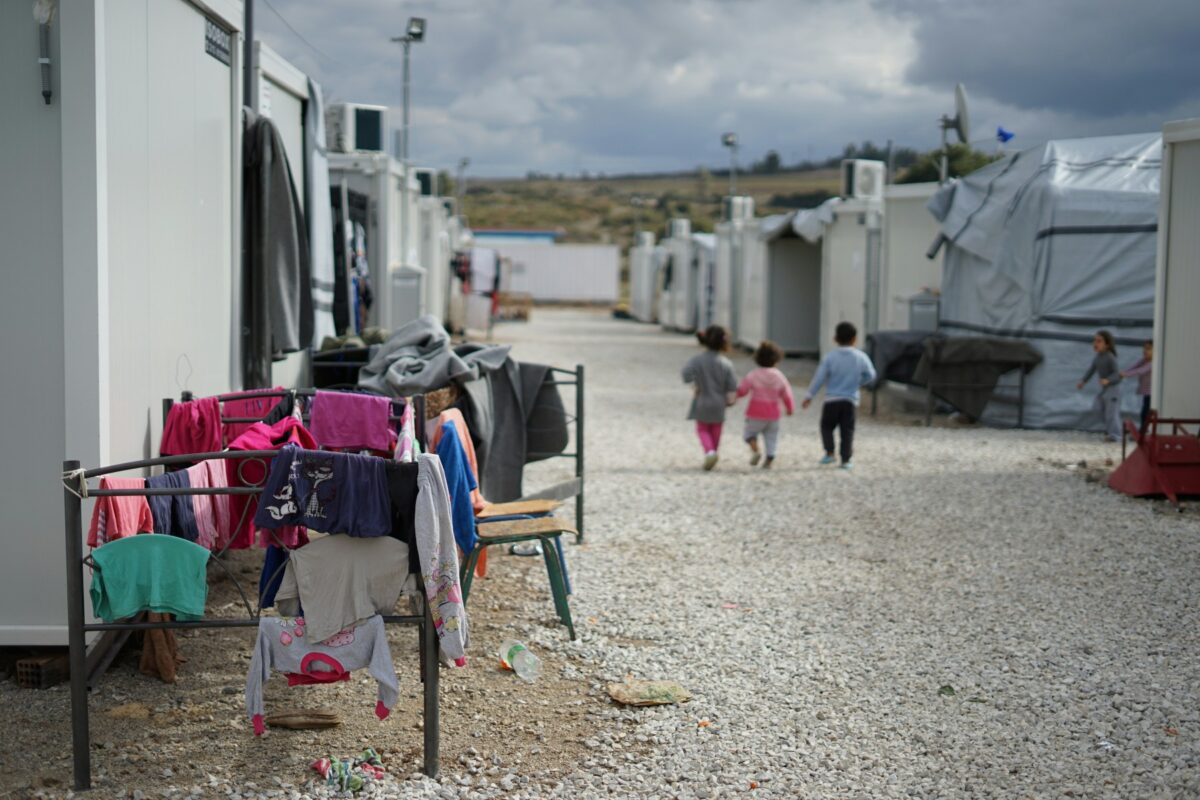
julie-ricard-MX0erXb3Mms-unsplash (1)

In Gaza, in the shadow of humanitarian emergencies, healthcare waste is out of control, largely unseen behind the human toll. Biodegradable wound dressings and packaging point to solutions that could cut emissions and transform resource use far beyond emergency settings

Read the article

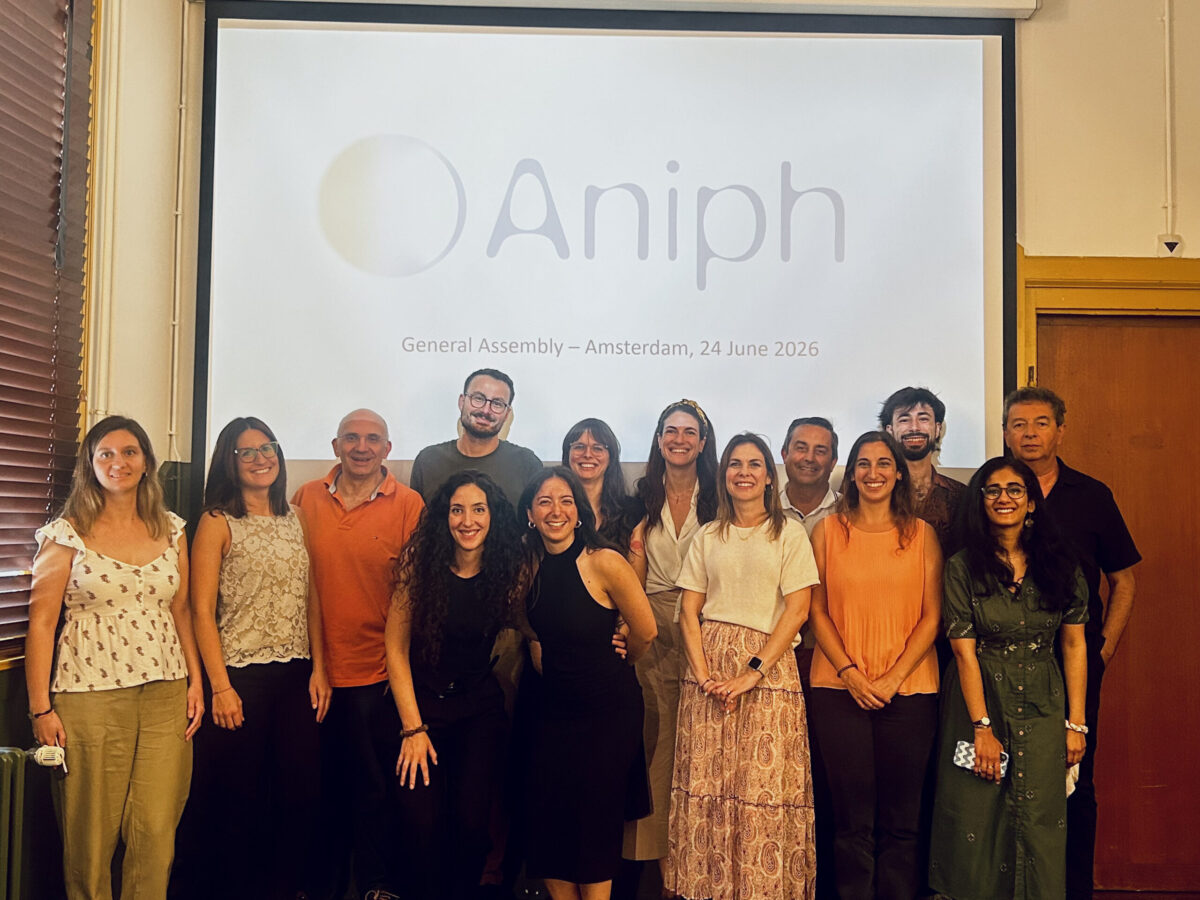
Our team meeting in Amsterdam 

Our latest consortium meeting brought partners together to share progress across research, innovation, and impact activities. Discover how we are pushing the boundaries of bioplastics in healthcare by advancing sustainable, bio-based alternatives to fossil fuel plastics.


ANIPH consortium in Amsterdam
Discover how it went!

Research advancements

Knowing that a bioplastic will biodegrade is not the same as knowing how fast. Learn more about the latest improvements to our AI predictive tool.

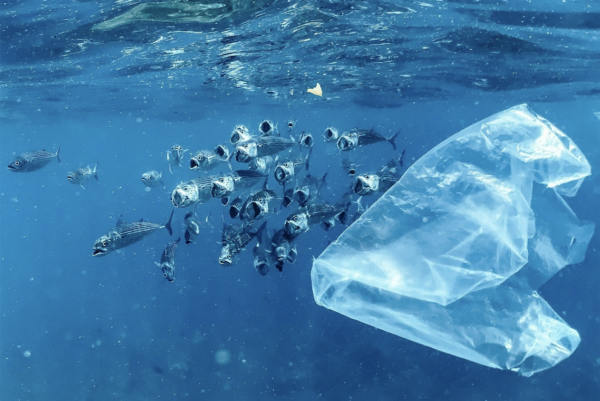
A person collecting plastic
A new study from the ANIPH project helps predict how quickly biodegradable bioplastics break down in the environment.
Read more
Photo
ANIPH's researchers continue to validate the predictive model that estimates the biodegradation of PHBV bioplastics.
Read more

Spreading the word

We have presented and discussed ANIPH on several occasions, from the ERRIN Bioeconomy event to the International Seminar on Biopolymers and Sustainable Composites, up to the Symposium on Circular Economy and Sustainability and a series of regional events in Murcia. 


A woman taking notes at a conference
Advancing the EU Bioeconomy Strategy: ANIPH at the ERRIN Bioeconomy Event
Photo
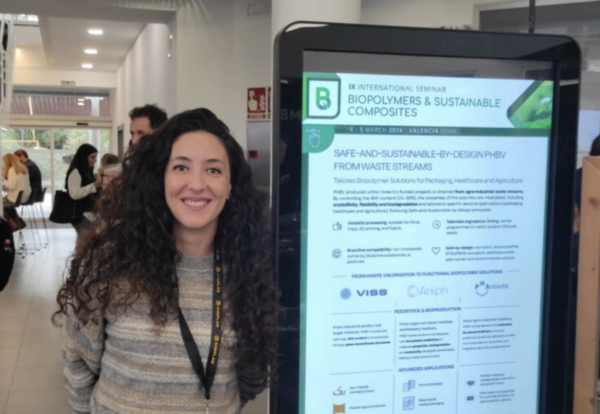
IX International seminar on biopolymers and sustainable composites
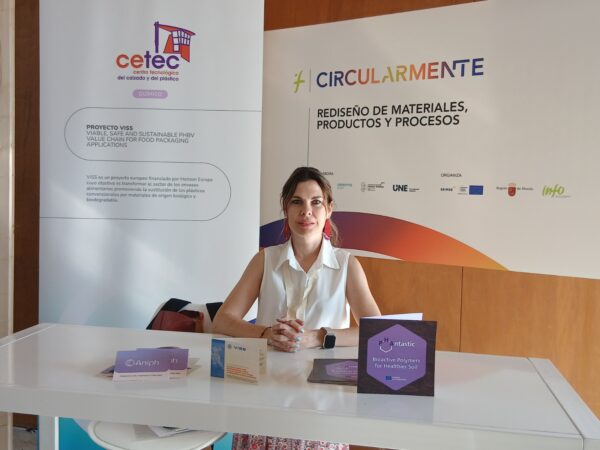
Project coordinator showcasing ANIPH flyers
ANIPH reaches regional stakeholders through sustainability events in Murcia
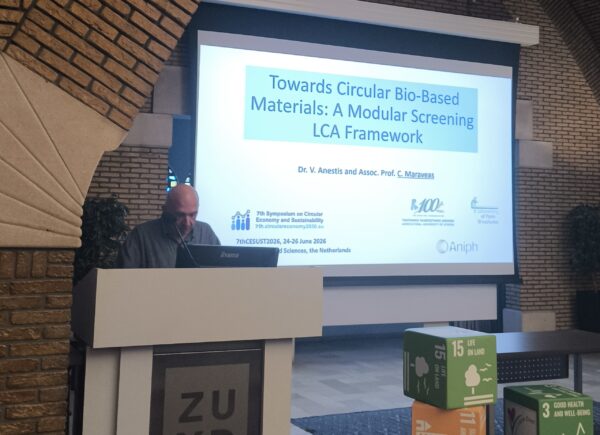
AUA presenting ANIPH
ANIPH presents LCA framework for bio-based materials at Maastricht Symposium

Insights and key takeaways

Did you miss our latest webinar with MAGICBIOMAT, or want to learn more about what was discussed at the Polymers 2026 Conference? Explore this section and stay up to date!

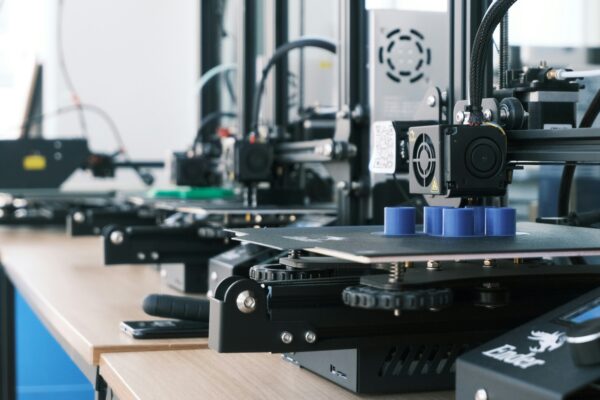
3D printers
3D printing and sustainable biomaterials: insights from the ANIPH & MAGICBIOMAT third webinar
Watch the webinar
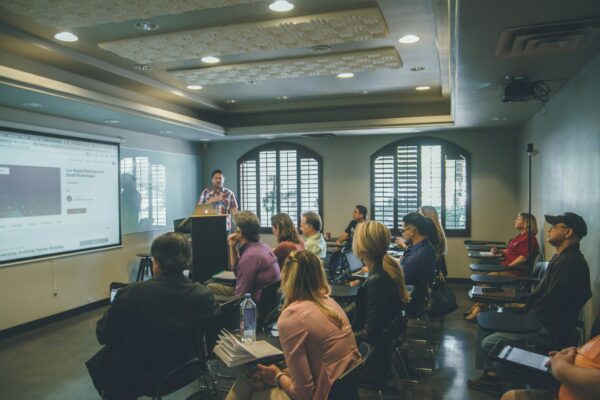
Photo
Shaping the Future of Bio-Based Polymers: Highlights from Polymers 2026
Download the insights

Useful resources

  • A Data-Driven Framework for Predicting PHBV Biodegradation-Induced Weight Loss Based on Laboratory and Real-Environment Condition Tests.
  • Machine Learning Methods for Mineralization-Based Biodegradation Prediction in Polyhydroxyalkanoate-Based Biopolymers: Insights from Lab-Scale Experiments

Follow us on social media

linkedin  bluesky 
Disclaimer