

ANIPH partners convene in Amsterdam to push the boundaries of bioplastics in healthcare
Our latest consortium meeting brought partners together to share progress across research, innovation, and impact activities.
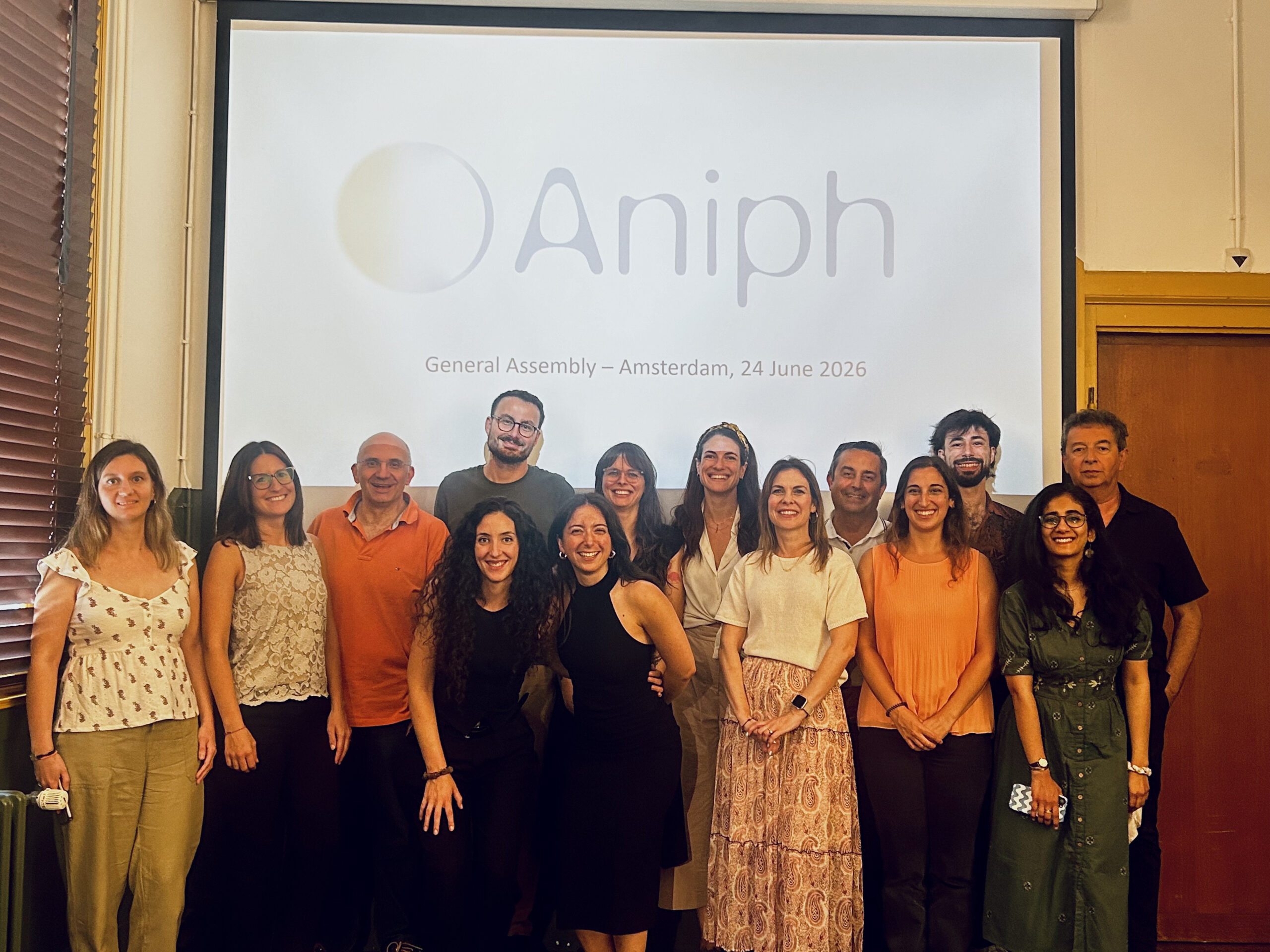
On 24 June, the ANIPH project gathered in the Dutch capital for its fourth in-person meeting. As heat records tumbled across the continent, the team inside was doing exactly what the moment demands: advancing sustainable, bio-based alternatives to fossil fuel plastics.
The meeting opened with greetings from the project coordinator, CETEC and a welcome from host organisation GO!PHA, which shared their mission to accelerate the development and commercialisation of bio-based, biodegradable, and compostable materials. From there, the University of Granada brought exciting news from the research front, presenting advances in medical bio-additives that could reshape how we approach healthcare. Among the most notable: probiotic cellulose, a material that offers a promising alternative to conventional antibiotics in wound dressings.
On the materials science side, CETBIO and Terra Verdae presented their joint progress on the PHBV and PHN ranges of biopolymers, which will provide the raw materials for the wound dressings and their packaging. An intervention from the Agricultural University of Athens updated partners on their advancements on an AI predictive tool, an open-access resource predicting the biodegradation of bioplastics across all environments.
Then it was the turn of KVeloce, who presented and discussed with partners their Social Hotspots Analysis Report, a rigorous examination of ANIPH’s social impact across its entire value chain through a Safe and Sustainable by Design lens.
ICONS rounded out the day with a presentation on the project’s communication, dissemination, and exploitation strategy, aimed at ensuring that ANIPH’s results reach the audiences who can act on them. The session closed with a hands-on workshop in which all partners came together to revisit the ANIPH value chain, identify key exploitable results, and begin laying the groundwork for intellectual property considerations.
Looking ahead, the consortium will present its progress to the European Commission starting from December: a key milestone in demonstrating how ANIPH is delivering viable bioplastic alternatives to tackle environmental pollution in humanitarian contexts.