

Building trust in circular value chains: ANIPH shares its approach at CCRI-KH webinar
A joint webinar brought together four EU projects to explore how technical evidence, validation, traceability and reliable data can help build trust and reduce uncertainty in circular value chains.
How do you move a circular innovation from a promising material to a solution that businesses, users and public authorities are willing to rely on? This was the question at the centre of the webinar “From innovation to trust: Reducing uncertainty in Circular Value Chains”, organised by the CCRI Knowledge Hub project, in which ANIPH took part alongside three other European projects: ViSS, PHAntastic and DATA4CIRC.
The session focused on a central idea: circular innovation is not enough on its own. For new solutions based on bio-based, biodegradable or recyclable materials to be adopted across the value chain, trust has to be built through technical evidence, validation, safety, sustainability, traceability and reliable data.
ANIPH presented the challenge of applying bio-based and biodegradable materials in humanitarian and healthcare contexts, where the bar for trust is particularly high: safety, functionality, biocompatibility, programmed biodegradation and traceability all have to be demonstrated before a product can be considered viable in the field.
Three further projects contributed complementary perspectives. ViSS showed how to develop a circular value chain based on PHBV for food packaging applications, using industrial waste as a raw material and addressing challenges such as production costs, processability, safe formulation, biodegradability and mechanical recyclability. PHAntastic moved the discussion to agriculture, presenting PHA-based solutions for mulch films and growing media, validated under real-world conditions with a focus on soil behaviour, soil health, agronomic functionality and regulatory compliance. DATA4CIRC offered a cross-cutting view on the role of data in the circular economy, demonstrating how traceability, secure information exchange, digital platforms and decision-support tools can reduce uncertainty along the entire value chain.
The webinar also included interactive sessions in which participants reflected on the main sources of uncertainty surrounding the adoption of circular solutions, and on the evidence needed to build trust. The responses reinforced the importance of combining technical validation, environmental assessment, regulatory clarity, collaboration between stakeholders, cost analysis, end-of-life testing and reliable data.
The conclusion was clear: trust in the circular economy cannot be taken for granted, it must be built. For circular innovations to progress from pilot projects to market-ready solutions, we need to design not only better materials and products, but also better systems for validation, traceability, communication and collaboration among all the stakeholders involved.
Missed the webinar? Watch the recording here
—
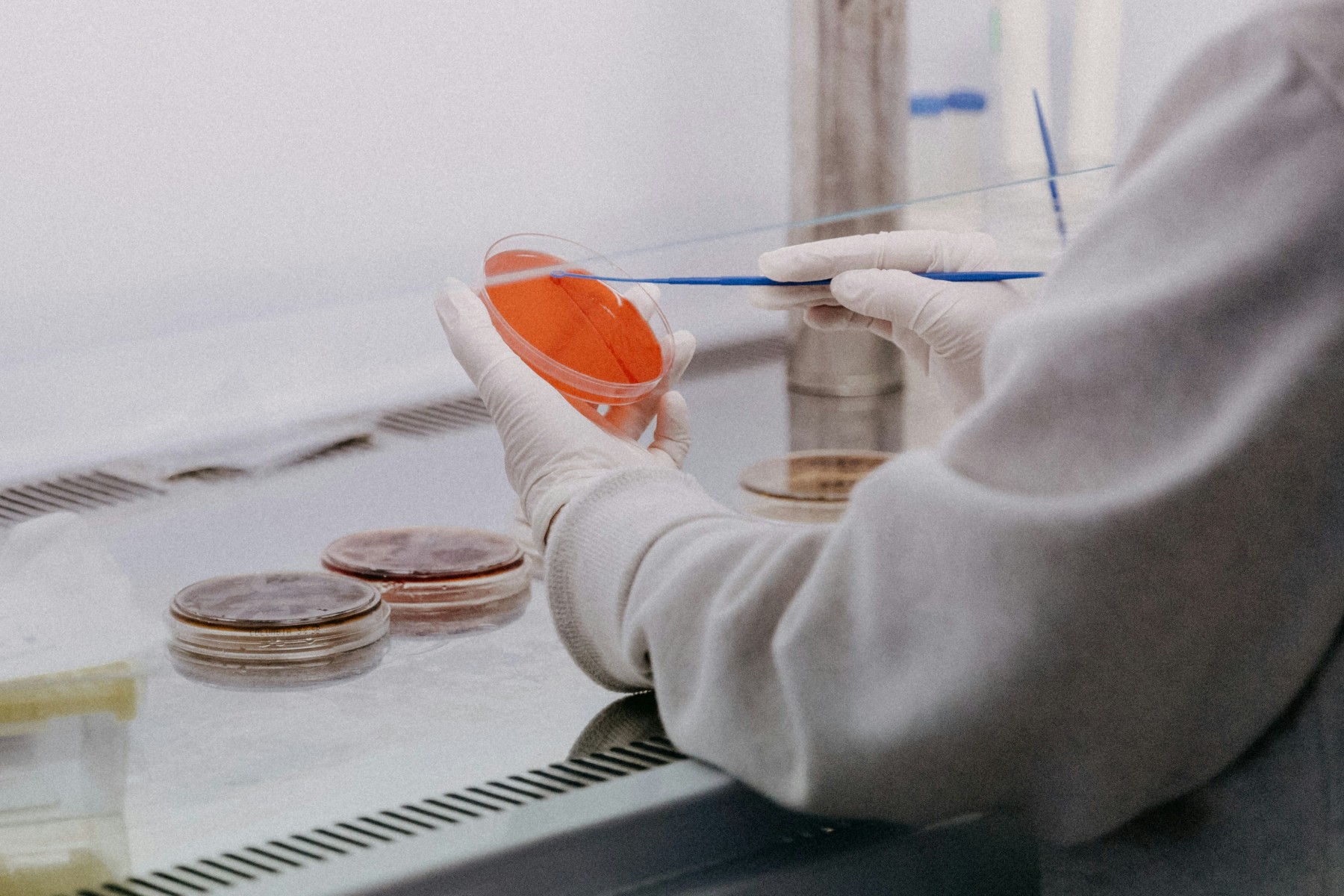
Cover photo by Lina Trochez on Unsplash