ANIPH launches its Expert Group to improve the adoption of bio-based medical products
Seven experts from healthcare, humanitarian aid, consumer protection, marine science and the circular bioeconomy will help the consortium understand what it takes for ANIPH products to be accepted and adopted.
Developing safer, bio-based alternatives to fossil-based plastics in healthcare is only part of the challenge. For wound dressings and packaging that biodegrade safely to make a real difference, the people who use, buy, regulate and dispose of them have to be ready to adopt them.
That is why ANIPH has launched its Expert Group. Its role is to support the project’s acceptance studies so that ANIPH products can be taken up widely by the people they are designed for.
The group brings together expertise from across the value chain and beyond:
- Elisa Gambuzzi, PhD, Senior R&D Project Manager in circular bioeconomy and Technical Coordinator of GREENNOMED LL®, CETENMA
- Angeliki Milioti, MSc, Project Manager, Smart Agro Hub
- Damiano Marinelli, lawyer, President of Unione Nazionale Consumatori Umbria and of Associazione Legali Italiani, and an expert in European project design
- Prof. Salvador Arias-Santiago, Professor of Dermatology at the University of Granada, Head of the Dermatology Department and Director of the Cell Production and Tissue Engineering Unit at Virgen de las Nieves University Hospital, Granada
- Giada Materazzo, Communication and Project Manager at UNCU and CEO of Studio Unica Azione
- Marie Smidova Skalova, E.MA, Advisor for Environmental Mainstreaming at People in Need (PIN)
- Dr Miriam Weber, Co-Founder and Managing Director of HYDRA Marine Sciences GmbH
The experts will take part in two workshops designed to strengthen the project’s methods for assessing social acceptance and readiness. The results will feed into a dedicated framework for developing and evaluating social acceptance within ANIPH.
The first workshop takes place online on Tuesday 20 October 2026, 10:00–12:00 CEST. It will map the main enablers and barriers to adopting ANIPH products, from clinical practice and procurement to end-of-life and environmental concerns.
The Expert Group will also join two ANIPH project meetings. There, members will share what they know about end users’ needs and help shape how ANIPH’s results are put to use and communicated to the audiences who can act on them.
—
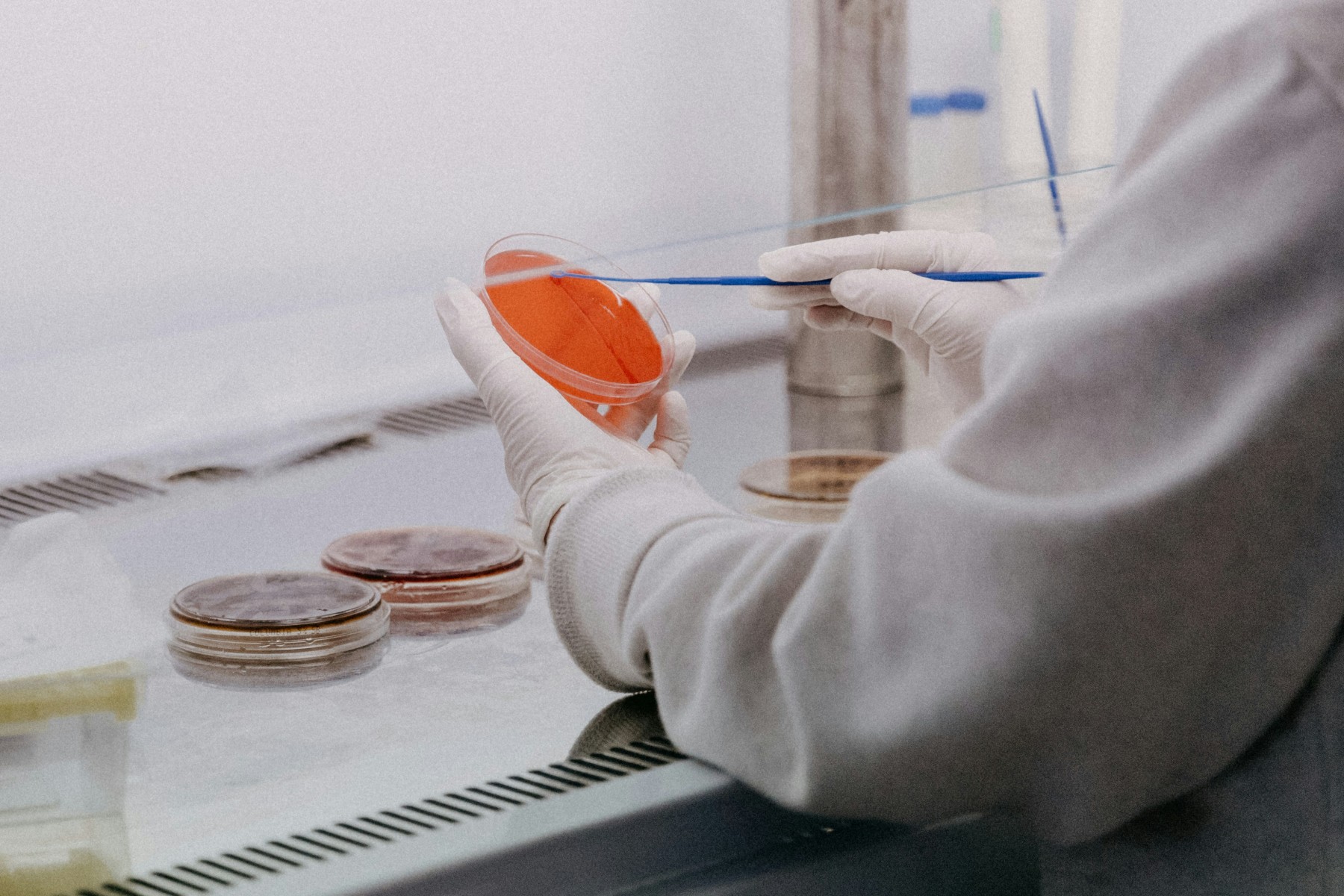
Photo by Vitaly Gariev on Unsplash