

Lemon waste turned into bioplastic: PHBV from Haloferax mediterranei competes with the commercial standard
A research article by CETEC, in collaboration with the Viss and PHAntastic projects, explores how lemon processing residues can be converted into biopolymers.
A new research article published in Polymers explores an innovative way to turn lemon processing residues into biopolymers. Authored by ANIPH’s coordinator, CETEC, together with partners from our fellow projects Viss and PHAntastic, the study investigated the use of lemon industry by-products as carbon sources for PHBV production using the halophilic archaeon Haloferax mediterranei.
The resulting polymer (referred to as HFX PHBV) was supplemented with nucleating agents (orotic acid, boron nitride, and theobromine), with orotic acid proving the most effective at enhancing crystallisation kinetics. The incorporation of nucleating agents effectively improved the crystallisation behaviour and mechanical stiffness, broadening the potential application range of the produced PHBV.
The HFX PHBV was then compared with a commercial PHBV grade (Enmat Y1000) under identical conditions to benchmark performance. The comparison showed greater flexibility, lower crystallinity and a high hydroxyvalerate content, which enhanced its ductility.
Overall, this study demonstrates an efficient PHBV production process based on waste valorisation, yielding a biopolymer with competitive physicochemical properties relative to a commercial standard, and provides integrated solutions to the global challenges of plastic pollution and food waste.
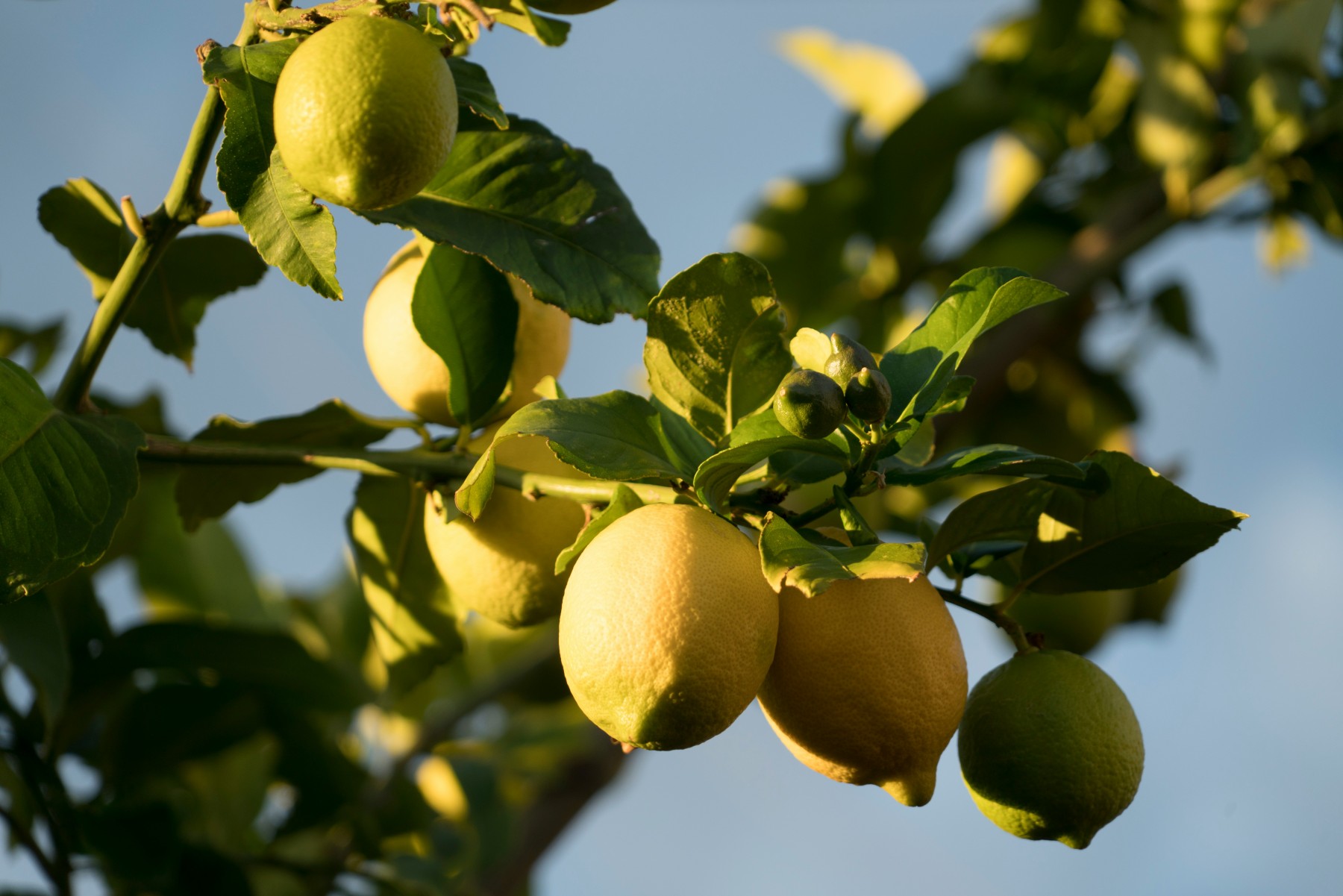
Cover photo by Steve Doig on Unsplash